





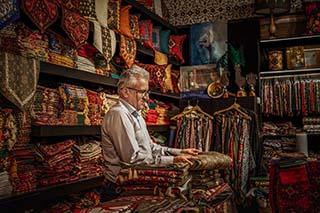



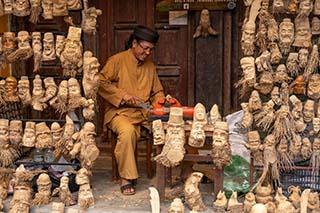


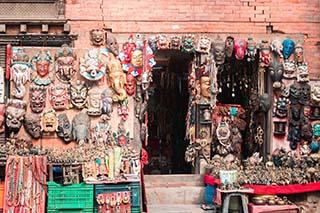





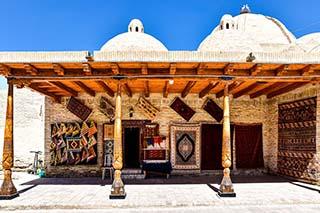
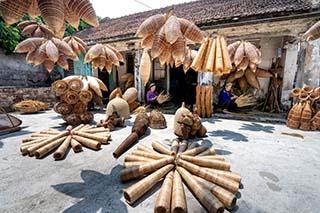

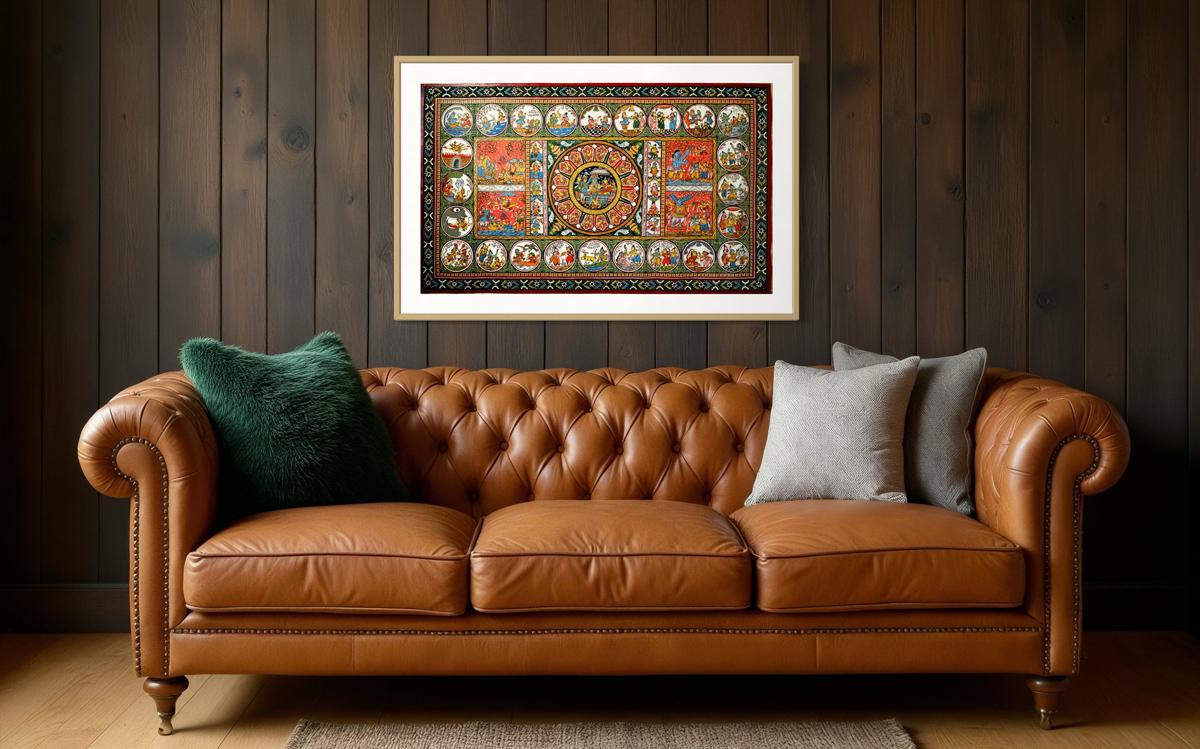
Some things carry centuries.We carry their names.
We started with a question no one was answering.
Why does the world know every fashion house in Milan but not the master who spent forty years perfecting a single tradition of painted cloth, a tradition older than most nations? Tourwit is our answer to that question.
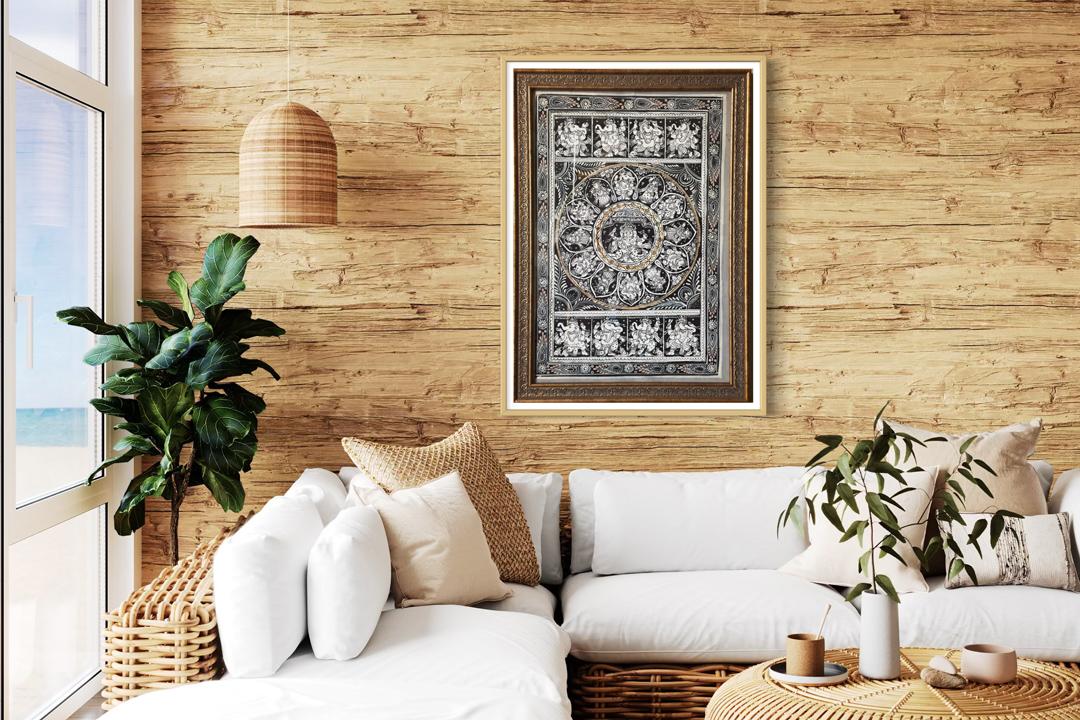
A gap no one had closed.
A collector in Mumbai, London, or New York with the means and the desire to acquire a museum-quality heritage craft piece had no reliable way to know: who made this, where, with what lineage of technique, and whether what they were paying had any relationship to what the maker received.
The gap was not one of supply or demand. It was one of language, trust, and infrastructure. Tourwit is our answer to that gap.
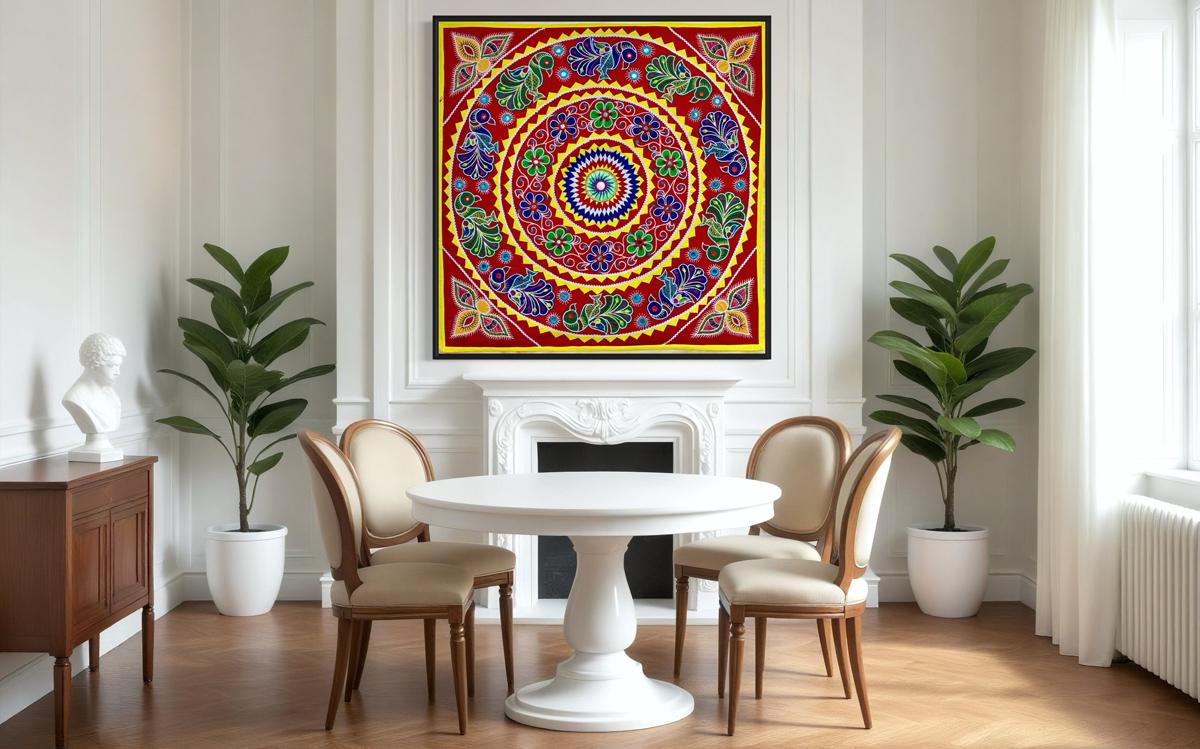
We built a gallery, not a marketplace.
A marketplace aggregates. A gallery curates. A marketplace optimises for volume. A gallery is defined by what it does not show. We made this choice deliberately, and it defines everything about how Tourwit works.
Every object in The Collection carries full provenance documentation. Price appears only after the story has been told.

We work with named masters, not anonymous producers.
There is a meaningful difference. A craft producer makes products. A master carries a tradition. The distinction is not elitist, it is the entire point of what Tourwit does.
When we onboard an artisan to Tourwit, we spend weeks, sometimes months, in documentation. We record not just what they make but how they learned, who taught them, what materials they insist upon, what they refuse to compromise.
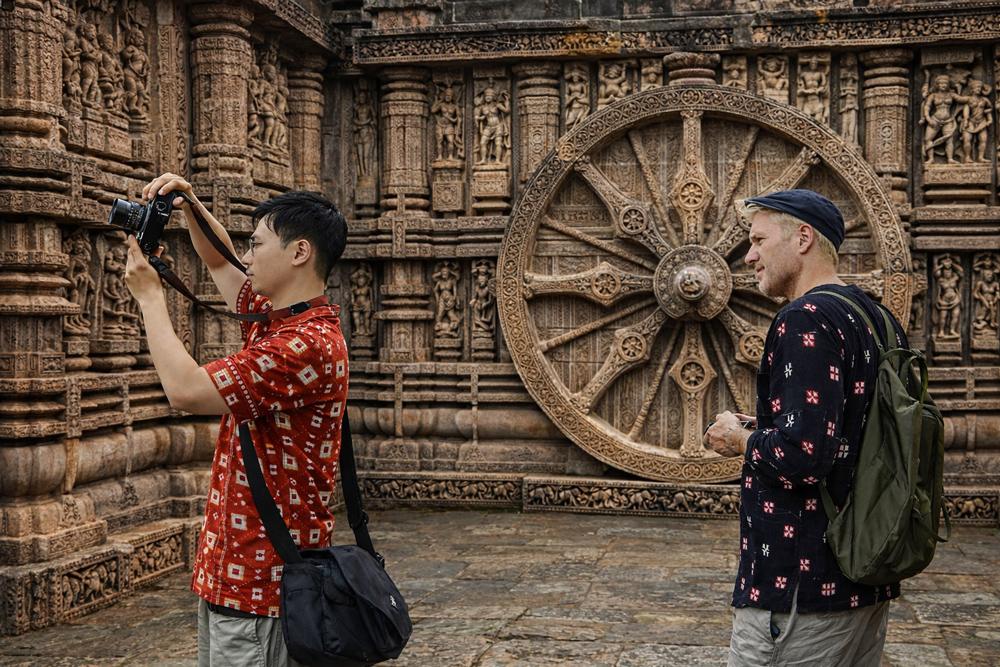
India’s masters are at an inflection point.
The generation trained in the old way, apprenticed young, immersed for years, given no shortcuts, is ageing. The generation that follows faces a harder question: can I make a life from this?
The answer is almost entirely economic. If the work finds collectors who pay what it is worth, the tradition is viable. If it does not, it disappears, or becomes a tourist item, simplified until it carries none of what made it extraordinary.
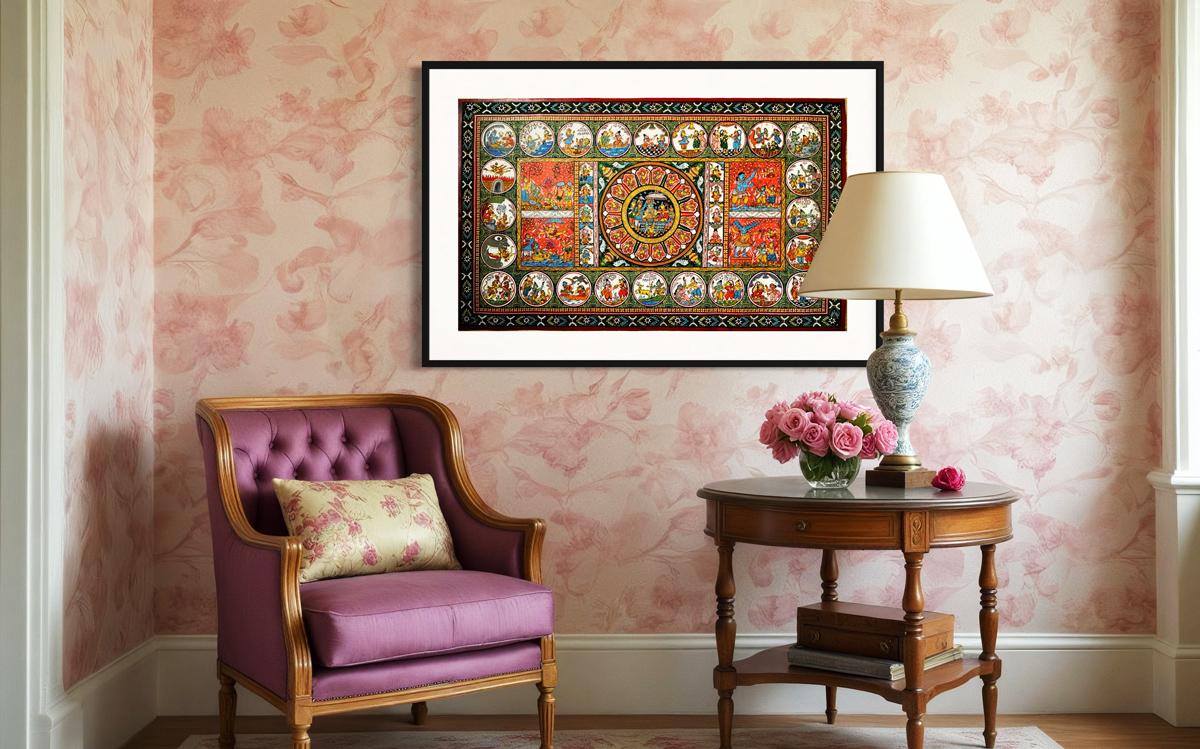
Every object arrives with a complete provenance trail.
Tradition. Origin village and district. Artisan biography and lineage. Technique documentation. Materials sourced and verified. Acquisition date and chain of custody.
This is not a certificate. It is a living document, one that increases in value alongside the object it describes, and that will outlast both the maker and the collector who acquires the work.
Products & Artisans
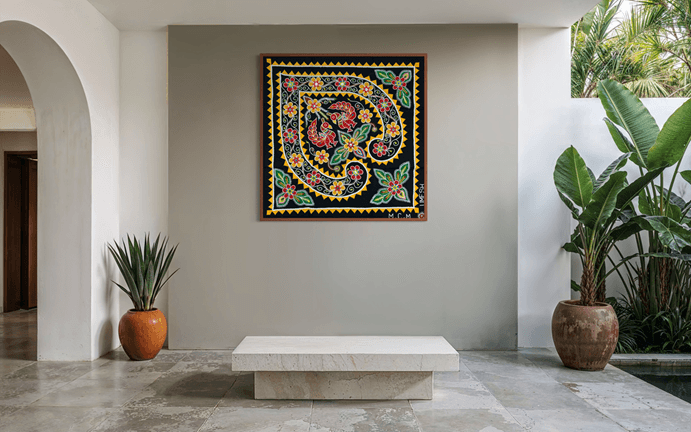
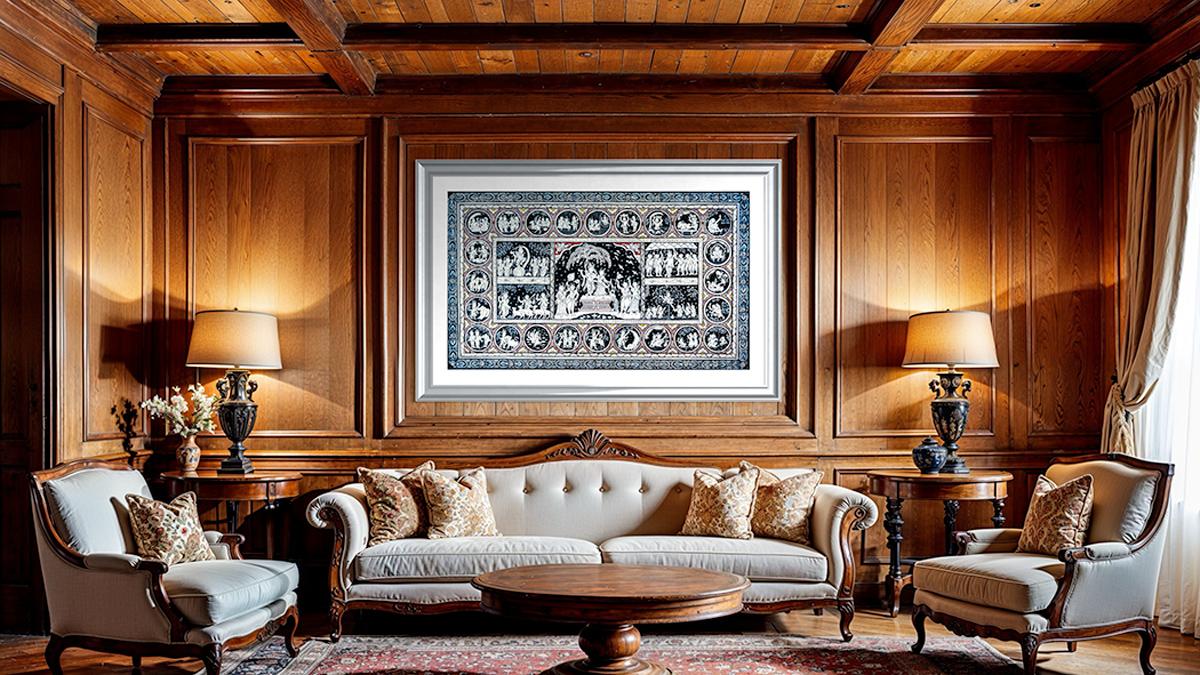
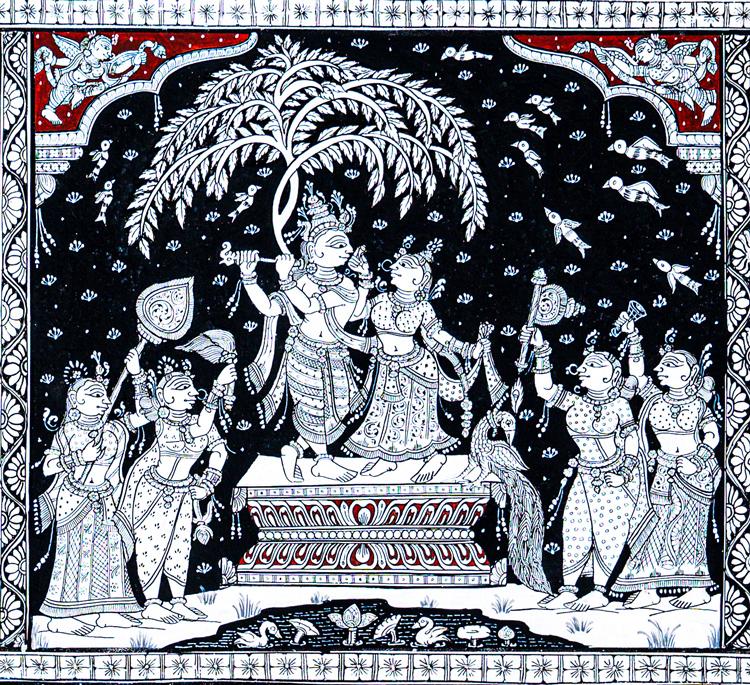
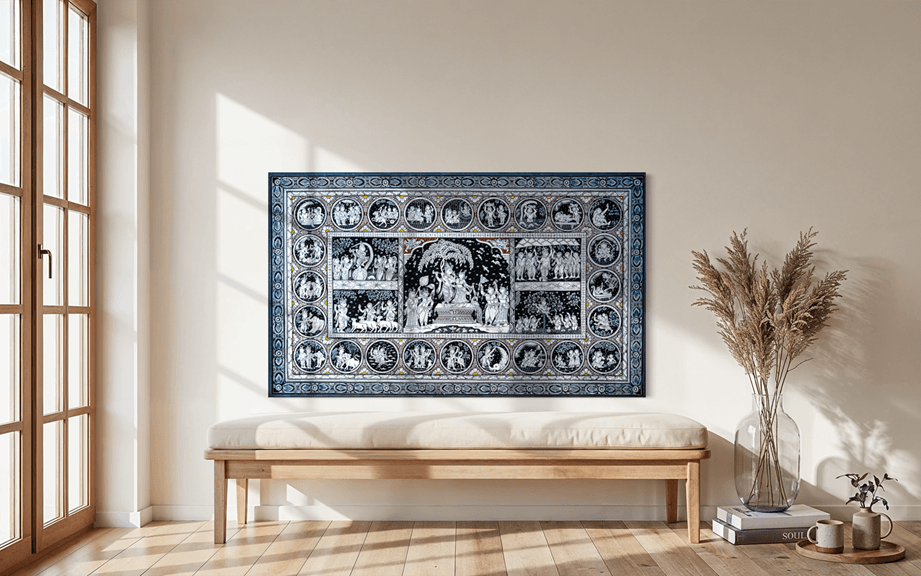
What we stand for.
Named, always.
Every object on Tourwit carries the name of the master who made it. No anonymous "artisan." No collective attribution. The person is the provenance.
Fairly compensated.
Pricing reflects the true value of the work, not the lowest the market will accept. We are transparent with artisans about what collectors pay and what we retain.
Never compromised.
We do not request simplified versions, tourist editions, or scaled reproductions. Every object is the full expression of the tradition as the master practices it.
Ready to explore?
Browse our crafts, every object sourced from a named master, with full provenance documentation.