












Craft Map
The Craft Map
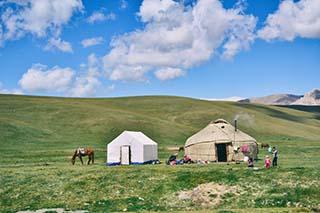
Etles is an oasis craft, so its map is a line of towns along the southern rim of the Taklamakan rather than a region with a centre. The craft entered the national intangible cultural heritage list in 2008, and what that listing recognises is a hand technique tied to these particular oases rather than a pattern that could be produced anywhere.
Jiya: Atlas Silk
In Lop County, about fifteen kilometres from Hotan, the township of Jiya is described as the birthplace of atlas silk and remains the concentration point of the craft. Reeling, warp binding, dyeing and weaving are all carried out here, largely within family compounds rather than in a factory, and the township's identity is bound up with the cloth to a degree that few places manage. A length of etles whose record names Jiya is naming the strongest claim available in this craft.
Hotan: The Silk Economy
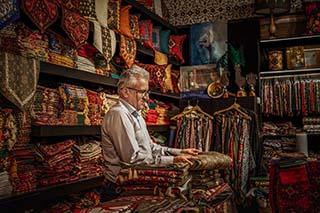
The oasis city fifteen kilometres away is the market, the mulberry country and the historical name that carried this region's goods along the road. Hotan gave its name to jade and to silk in the classical accounts of Central Asian trade, and its bazaar remains where the cloth is sold in quantity and where the season's preferences are visible. The name is commercial rather than technical, and a record naming Hotan is usually naming the market rather than the loom.
Kashgar and the Western Oases: The Wider Belt
West along the rim, Kashgar anchors the other end of the southern route and shares the region's textile culture, with weaving and dyeing traditions of its own and a bazaar of comparable importance. Work from the western oases belongs to the same family and is not identical to Hotan's. Where a record can distinguish which end of the rim a cloth comes from, it is worth doing, because pattern preferences differ along the line.
Also on the Map
The mulberry groves of the oases, without which none of this exists, and which are as much a part of the craft's geography as any workshop. The dye yards, which are usually unmarked and always obvious once seen. And the road itself, without which silk technology would never have settled in a string of desert towns. Which oasis produced an etles is legible to anyone who knows the patterns.