





Craft Map
The Craft Map
Three crafts, two territories and one long road between them. Only one of these is made in Ladakh. One is made in Kashmir from Ladakhi material, and the certification requires both. One is made in Kashmir outright and is filed here only by administrative proximity.
Ladakh: The Thangka
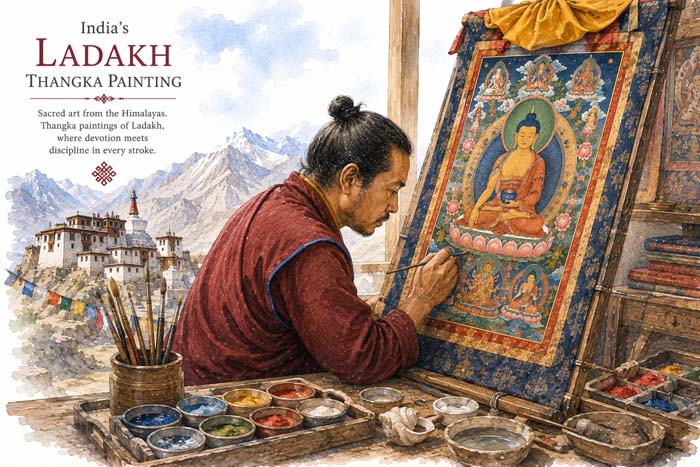
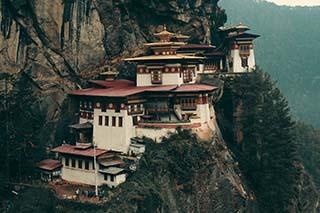
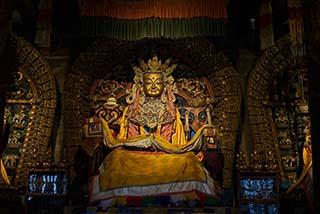
Painted in and around Leh and at the monasteries, on cotton prepared with gesso, to proportions prescribed in text rather than composed. The monasteries are the client and the calendar is the reason the objects exist. There is no Geographical Indication here; what identifies a thangka is the painter, the pigments and whether the prescribed measurements were followed, and all three are askable questions.
Changthang to Srinagar: Pashmina
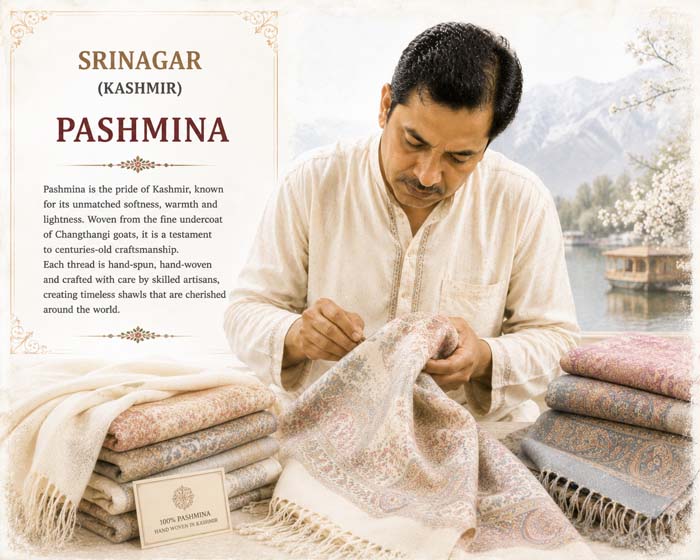
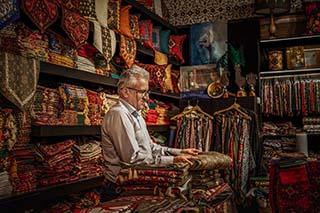
The fibre is combed from Changthangi goats on the Changthang plateau in Leh district, herded by the Changpa, at under sixteen microns. It is hand spun and hand woven in Kashmir. Kashmir Pashmina was registered under the Geographical Indications Act on 9 December 2005, and the mark specifies the process as well as the origin: hand spun on a wooden wheel, hand woven on a wooden loom, Ladakhi fibre. A testing centre in Srinagar certifies it. This is the rare case where a two-place attribution is the correct one.
Srinagar: Papier-Mâché
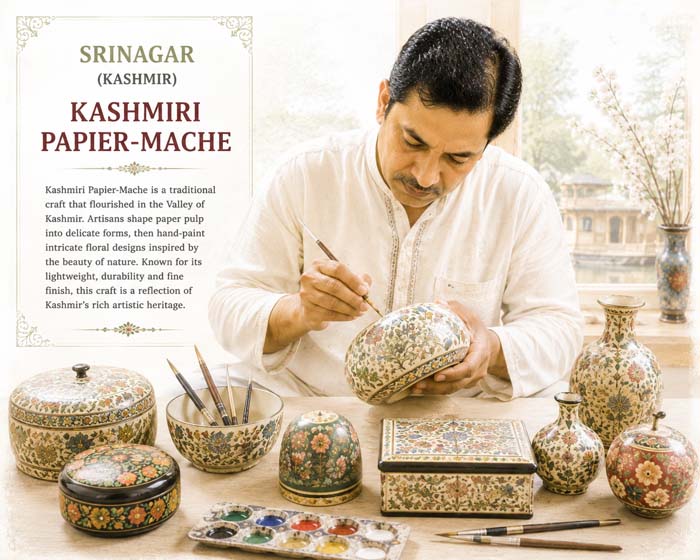
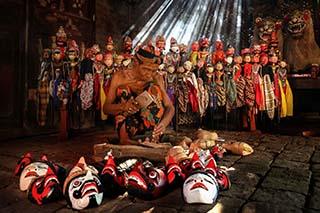
Brought from Persia in the fourteenth century and consolidated in the fifteenth under a Sultan who imported craftsmen from Samarkand and Iran. The work is split between sakhtsazi, the layered paper body, and naqashi, the painting, which are separate trades. It is made in Srinagar and across the valley, and it is not a Ladakhi craft. A record should say Srinagar.
Also on the Map
The Changpa herders, without whom the finest half of this map does not exist, and whose pastures are the constraint on how much genuine pashmina can be made in any year. The Zoji La, the pass that connects the two halves of this destination and closes in winter. And the monastery collections of Ladakh, which hold the thangkas against which any new painting is measured. Which territory, and then which trade: on this map the first answer is the one most records get wrong.